

Cricket can be an intricate sport, with commentators regularly using terms like “popping crease” and “return crease” without really explaining their significance.
Crease lines play an integral part of baseball, from providing safe zones for batters to helping umpires make accurate calls. By understanding these white lines you can go from casual fan to someone who truly understands the game.
Bowling Crease
The bowling crease is the line that establishes an “unsafe zone” for batters; any time they step over it while batting they risk being out. It is typically drawn 4 feet (1.2 meters) from the stumps and parallel to the popping crease; umpires use this line to judge run-outs and stumpings.
Return creases, on the other hand, are vertical lines which determine where a bowler’s back foot may land during delivery. Two are located at each end and extend at right angles from their respective bowling creases – any time an illegal delivery takes place, this results in a penalty run for both teams involved. These return creases help ensure an equal playing experience between both sides of a match.
Return Crease
Crease markings are an integral component of cricket, helping define key areas for batting and bowling as well as many key dismissals. Yet their role often remains obscure to casual fans.
The popping crease and bowling crease define where the stumps are situated and determine how a batsman enters position, while return creases allow bowlers to deliver balls effectively by controlling where their backfoot may land when throwing one or more pitches.
If a batsman touches or lands outside of the return crease, it is considered no-ball and ensures fair and uniform application across formats and pitches.
Understanding cricket’s intricate network of creases may seem complex at first, yet understanding them is crucial to its framework. From legality to tactical positioning, these lines serve an integral function – without them, cricket simply wouldn’t exist!
Leg Side Crease
Creases play an integral part in cricket. They serve as invisible referees that keep games fair and competitive while providing umpires with clear guidance when making tough calls on millimeter-by-millimeter decisions.
When bowling a delivery, if part of the bowler’s back foot encroaches on the leg side crease it is considered a no ball and awarded to the batting team one run and another ball. Furthermore, this leg side crease serves to define batsman positions and enable certain shots like leg glance, flick, pull hook or sweep to be played successfully.
Learning the creases will take your cricket knowledge from casually watching it to truly understanding it. You will grasp all of its tactical decisions, split-second judgments and athletic prowess necessary for flawless execution within white lines.
Popping Crease
Casual fans might not give much thought to the creases, but they play an integral part of the game. Cricles indicate where bowlers may legally deliver their deliveries while providing batters with an indication of where their chances lie of either safe or out batting.
The popping crease is of vital significance; for proper delivery of balls to be effective. A bowler’s front foot must land completely behind this line when they release their deliveries; otherwise it constitutes an illegal delivery that gives the opposing team one extra free run.
The two returning creases work alongside the popping crease to establish bowler positioning. They consist of vertical lines on either side of the popping crease that serve as boundaries for delivery bowlers to deliver balls legally and no-ball legally; any time one of their back feet crosses these return creases while in position it’s an illegal delivery and no ball called! Therefore, cricketers practice making sure their back foot does not cross this return crease when in position – it matters more than you might expect, which is why these lines must be repainted prior to every match-up.



More Stories
Choosing Gully Cricket Team Names
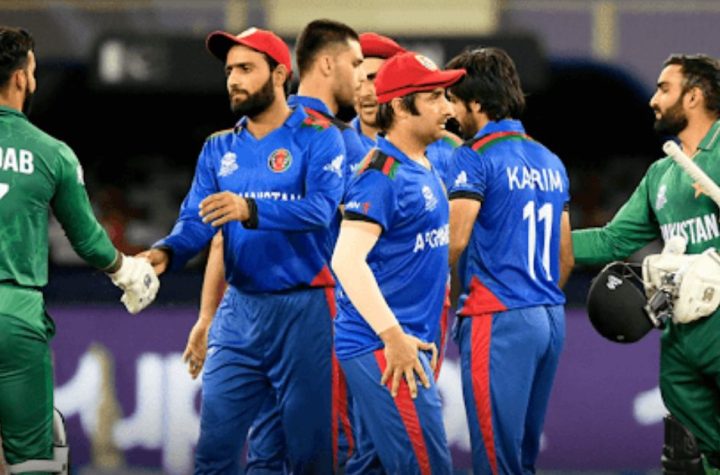
Pakistan national cricket team vs Afghanistan national cricket team match scorecard
England Cricket Team Vs Pakistan National Cricket Team Match Scorecard