
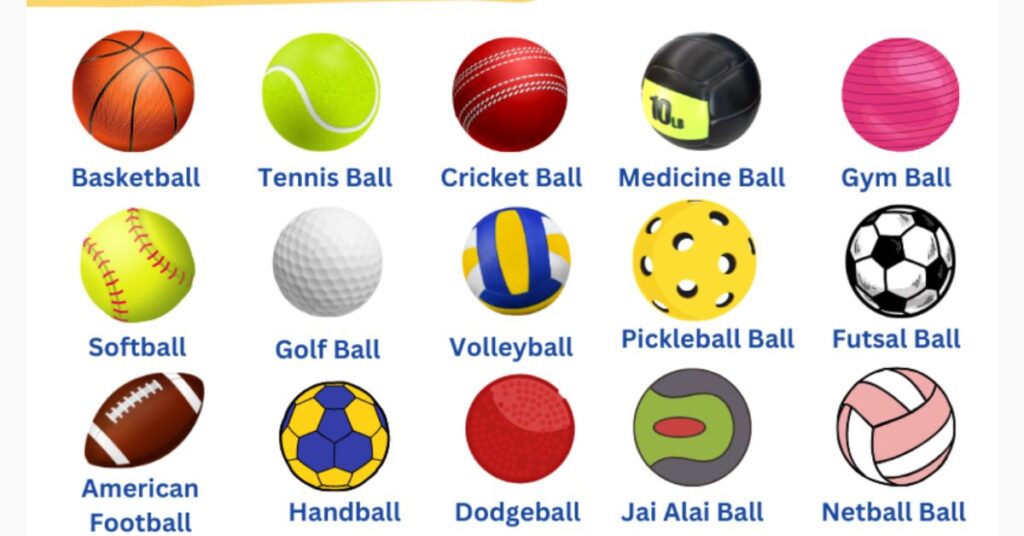
A ball is a round or ovoid object used for throwing, hitting, kicking and other sports activities. One of humanity’s oldest toys, it remains popular today.
Golfers have their pick of several golf balls to find one which provides them with the desired combination of distance, control and feel. Knowing your swing speed and preferred feel can help narrow down your choices to find what will best fit your game.
Golf Balls
Golf balls are an integral component of golfers’ games, and selecting an optimal golf ball can enhance distance, spin and control. Selecting one for your swing speed and playing style requires knowledge about how different materials affect performance – for instance dimple patterns of golf balls have been known to influence flight and spin; in addition, core and outer cover materials impact how energy transfers from club to ball.
Two-piece golf balls are ideal for novice and high handicap golfers with slower swing speeds, since their design optimizes distance while decreasing spin. These balls generally feature a large solid core and durable surlyn cover; plus they may be more cost-effective than multi-layered alternatives.
Three-piece golf balls offer an ideal blend of distance and control, featuring either a liquid or solid core, an internal layer with spin control capabilities and an outer surlyn or urethane cover. Their middle layer adds even greater spin control, making these balls suitable for players ranging from mid-handicappers to low-handicappers.
Premium golf balls use multiple layers to optimize spin and control, making them more expensive than their standard counterparts. Used by professional and advanced golfers alike, premium balls feature soft feel with increased spin for shorter shots while their longer drives may prove less forgiving.
Tennis Balls
Tennis balls are used for practicing shots and improving consistency, and are an integral component of Mouratoglou methodology, an innovative teaching approach designed to help beginners gradually master the sport while decreasing injury risks and frustration levels. Foam balls can help players focus on technique while building confidence during practice sessions or complete beginner games.
Pressurized tennis balls are the standard type used in professional matches and tournaments, made of hollow core filled with pressurized gas that gives these balls their bounce and liveliness. When first opened from their cans, these balls emit an audible hiss as the air escapes through them – this hissing sound signifies their release of air from its container.
Premium balls feature felt coverings made with higher concentrations of natural wool for increased durability and feel, and use synthetic rubber cores that offer optimal balance of elasticity, responsiveness, and longevity.
Regular duty tennis balls are specifically crafted for soft surfaces like grass or indoor courts and feature a shorter nap than Extra Duty ones, to better resist moisture, dirt and clay as well as prevent fluffing due to static electricity and provide greater resistance against abrasion.
Extra Duty tennis balls designed specifically for hardcourt use feature thicker felt and longer weave, helping them resist dirt and clay better than regular balls do. Unfortunately, though they’re less resilient than premium balls and may lose their bounce over time.
Squash Balls
Squash offers numerous different types of balls to its players. This is not meant to cause confusion, unlike in other racket and ball sports where a beginner plays with the same type of ball as Rafael Nadal; rather it reflects that various types of players exist from beginners all the way through advanced club players.
The three primary types of squash balls are Double Yellow Dot (standard), Blue Dot and Red Single Dot. Blue and Red Single Dot balls offer higher bounce than Double Yellow dot balls for beginners or improvers / occasional recreational players as they allow the ball to remain airborne longer, enabling them to create better rallies while improving their game.
When a ball hits racket strings, walls, or floors of a court, some of its energy is converted to heat (and sound), but much of it dissipated into rubber which in turn increases resilience and bounce in its bounce characteristics.
Rubber used for squash balls comes from all over the world and arrives at Dunlop factory in Barnsley in 25kg bales that are used to produce 1,200 balls. Once there, raw rubber is softened using various powders and natural or synthetic materials before being heated (or “vulcanised”) in order to set its shape.
Other Sports Balls
As sports evolved and players developed the necessary skills, balls have become a central element of play. Their unique qualities can be seen in the wide variety of sport balls available today; each specially designed to meet specific requirements such as dribbling down court or spiking over net. Each sport requires specific characteristics in its ball to meet specific challenges posed by each activity – whether dribbling downcourt or spiking over net.
These characteristics include the number of panels that form its outer surface (Footballs have 32 panels, Basketballs 26 panels and Volleyballs 18). Also important are material considerations; with PU/PVC balls generally cheaper than leather ones. Furthermore, PU/PVC tend to provide greater durability as well. Finally, stitch count can vary significantly with higher stitch count models providing increased strength.
Modern sports balls are often pressurized, either at the factory (e.g. tennis and squash) or by players themselves (e.g. football, basketball and volleyball). Pressurization systems help maintain uniform air density throughout use to guarantee that balls won’t deflate during use.
Historically, balls have often been constructed from natural materials like animal skins. Baseball and cricket bats continue to use leather-coated rubber balls; basketball and volleyball players use materials such as cork or twine or yarn balls for playing these sports. Wilson Sporting Goods, the official manufacturer of NBA basketballs, are currently developing more environmentally sustainable models of their official NBA ball; though these models won’t hit shelves for some time yet.



More Stories
Improve Your Golf Swing: How the Right Wide-Fit Golf Shoes Enhance Performance and Comfort
Golfers with Wide Feet: How Extra Wide Golf Shoes Can Elevate Your Game
Why Wide Toe Box Hiking Boots Are a Game-Changer for Trail Walkers